
 By George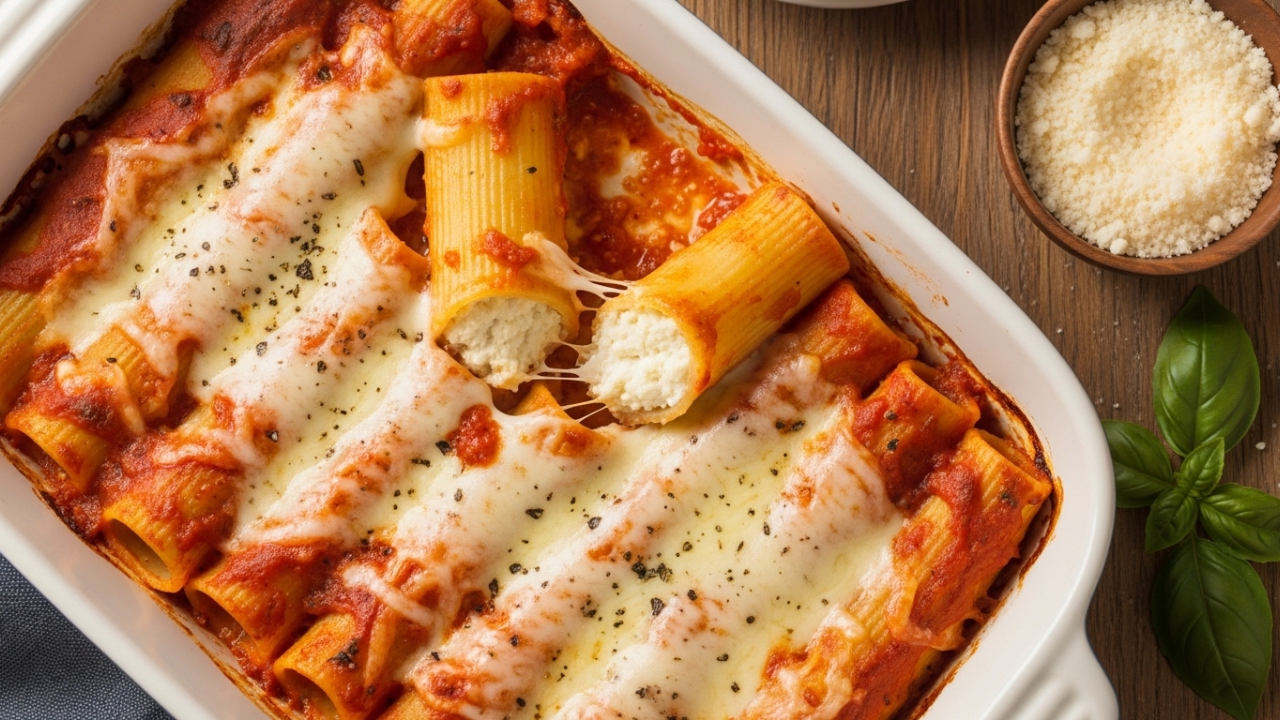
There’s a specific kind of magic that happens in a kitchen when a dish is more than just a recipe—it’s a story. Mannacote is exactly that kind of dish. For many, the word alone conjures memories of family gatherings, the warmth of a grandma’s kitchen, and the irresistible aroma of tomatoes and cheese bubbling in the oven . If you’ve never heard of it, or if you’ve always wondered whether it’s simply a misspelling of “manicotti,” you’re in for a treat.
This guide will take you on a deep dive into the world of mannacote. We’ll untangle its linguistic roots, explore its rich Italian-American heritage, and provide you with everything you need to make this comforting classic at home.
What Exactly is Mannacote? More Than Just a Pasta Dish
At its delicious heart, mannacote is a baked pasta dish featuring large tubes stuffed with a rich, creamy filling—traditionally ricotta cheese—layered with sauce and baked until golden and bubbly . But to define it only by its ingredients is to miss the point entirely.
Mannacote is a testament to the immigrant experience, a linguistic and culinary artifact born from Italian-American communities . When Italian immigrants came to the United States in the late 19th and early 20th centuries, they brought with them the traditions of their homeland, including dishes like cannelloni (fresh pasta sheets rolled around a filling) . However, they had to adapt to new environments and available ingredients. Pre-formed pasta tubes, which we know today as manicotti, became a convenient and practical substitute for handmade sheets .
Mannacote vs. Manicotti: Is There a Difference?
This is the most common question, and the answer is both simple and fascinating. Technically, there is no difference in the dish itself. Both terms describe the same preparation: stuffed pasta tubes baked with sauce and cheese .
The distinction is purely linguistic and cultural. “Manicotti” is the standardized Italian-American term you’ll find in cookbooks and on restaurant menus. “Mannacote,” on the other hand, is a regional, phonetic variation passed down through generations in family kitchens .
Think of it like this:
-
Manicotti is the formal name.
-
Mannacote is the affectionate family nickname.
In many Italian-American households, particularly in the Northeastern U.S., the pronunciation of Italian words was shaped by regional dialects and the natural evolution of language in a new country. Just as “capicola” might become “gabagool,” “manicotti” easily morphed into the warmer, more familiar “mannacote” . So, if your grandmother called it mannacote, you’re not wrong—you’re carrying on a cherished family tradition .
| Term | Official Status | Common Usage | Origin Context |
|---|---|---|---|
| Mannacote | Colloquial | Family kitchens, regional slang | U.S. (informal, passed-down term) |
| Manicotti | Accepted | Restaurants, cookbooks | U.S. (standardized Italian-American) |
| Cannelloni | Traditional | Italian cuisine | Italy (the original dish) |
The Heart of the Dish: Key Ingredients and Classic Variations
The beauty of mannacote lies in its simplicity and the quality of its core components. It’s a perfect example of how a few simple ingredients can create something truly extraordinary.
The Classic Trio: Pasta, Filling, and Sauce
1. The Pasta Tubes: The foundation is a large, sturdy pasta tube that can hold a generous filling without falling apart. Most home cooks use dried manicotti shells, which are widely available and easy to prepare . For a more traditional, from-scratch approach, some families still make crespelle (thin, crepe-like pancakes) and roll them around the filling, mimicking the original cannelloni method .
2. The Cheese Filling: This is the soul of the dish. The classic filling is a creamy, flavorful blend of:
-
Whole-milk ricotta cheese: For the creamiest texture.
-
Mozzarella: Adds that desirable stretch and gooeyness.
-
Parmesan or Pecorino Romano: Provides a sharp, salty depth.
-
Egg: Helps bind the mixture together.
-
Fresh Herbs: Chopped parsley or basil add a pop of freshness .
3. The Tomato Sauce: A robust, flavorful sauce ties everything together. A simple homemade marinara with garlic, onion, and herbs like basil and oregano is ideal, but a good quality store-bought version works wonderfully in a pinch .
Popular Filling Variations
One of the best things about mannacote is its versatility. Once you’ve mastered the basic cheese filling, you can easily customize it to suit your taste.
-
Spinach and Cheese: A classic and beloved variation. Simply squeeze thawed frozen spinach dry, chop it, and mix it into the ricotta filling .
-
Meat Lovers: Brown some ground beef, Italian sausage, or ground turkey and mix it into the cheese blend for a heartier, protein-packed version .
-
Seafood Delight: For a special occasion, some modern recipes incorporate crab meat or shrimp into a lighter ricotta and herb filling .
How to Make Mannacote at Home: A Step-by-Step Guide
Making mannacote is a labor of love, but it’s a rewarding process that’s easier than you might think. This guide will walk you through creating a restaurant-quality dish in your own kitchen .
Yields: 6 servings
Prep time: 30 minutes
Cook time: 35-40 minutes
Ingredients You’ll Need
For the Filling:
-
2 cups (15 oz) whole milk ricotta cheese, drained
-
1 ½ cups shredded mozzarella cheese (plus more for topping)
-
½ cup grated Parmesan cheese (plus more for topping)
-
1 large egg, lightly beaten
-
2 tablespoons fresh parsley, chopped
-
Salt and black pepper to taste
-
(Optional: ½ cup cooked chopped spinach or ½ lb cooked ground meat)
For the Dish:
-
12 manicotti pasta tubes
-
3 cups marinara sauce (homemade or store-bought)
-
1 tablespoon olive oil (for greasing the dish)
Instructions
-
Preheat and Prep: Preheat your oven to 375°F (190°C). Lightly grease a 9×13-inch baking dish with the olive oil.
-
Cook the Pasta: Bring a large pot of salted water to a boil. Add the manicotti tubes and cook for about 5-7 minutes. You want them to be pliable but still very al dente (firm to the bite), as they will continue to cook in the oven . Overcooking now will make them tear easily. Drain them gently and lay them flat on an oiled or parchment-lined baking sheet to cool and prevent sticking.
-
Make the Filling: While the pasta cooks, prepare the filling. In a large bowl, combine the ricotta, 1 ½ cups mozzarella, ½ cup Parmesan, the beaten egg, and chopped parsley. Season generously with salt and pepper. If you’re using spinach or meat, fold it in now .
-
Assemble the Dish:
-
Spread a thin layer of marinara sauce (about 1 cup) over the bottom of the greased baking dish. This prevents the pasta from sticking and adds moisture .
-
Transfer the cheese filling to a piping bag or a large zip-top bag. If using a zip-top bag, snip off one corner.
-
Gently pipe the filling into each end of a pasta tube until it’s full. Be careful not to overstuff, as the filling will expand slightly while baking. Place the filled tube in the dish . Repeat with the remaining pasta.
-
Pour the remaining marinara sauce over the filled tubes, making sure they are all well-covered.
-
Sprinkle the top generously with the extra shredded mozzarella and grated Parmesan.
-
-
Bake to Perfection:
-
Cover the baking dish with foil and bake for 25 minutes.
-
Remove the foil and bake for another 10-15 minutes, until the sauce is bubbly and the cheese on top is melted and golden brown .
-
-
Rest and Serve: This is a crucial step! Remove the dish from the oven and let it rest for at least 10 minutes before serving. This allows the filling to set, making it much easier to serve and preventing a runny mess on the plate. Garnish with fresh basil or parsley if desired.
Tips for Success
-
Use a piping bag: This is the cleanest, easiest way to fill the delicate tubes without tearing them .
-
Don’t skip the rest: Letting the dish rest is non-negotiable for perfect slices.
-
Make it ahead: You can assemble the entire dish (without baking) up to 3 days in advance and keep it refrigerated. You may need to add 10-15 minutes to the covered baking time .
Is Mannacote Healthy? Nutrition and Lighter Options
Given its rich, cheesy nature, you might wonder if mannacote can fit into a healthy diet. The answer is yes, especially when you’re mindful of ingredients and portions .
A typical serving of classic mannacote (about 2 stuffed tubes) contains approximately 420-550 calories, 35-45g of carbohydrates, 18-25g of fat, and 15-20g of protein . It’s a good source of calcium and protein, but can also be high in saturated fat and sodium.
Here are some simple swaps to create a healthier, but still delicious, version:
-
Pasta: Use whole-wheat, lentil, or chickpea pasta tubes to increase fiber and protein .
-
Cheese: Opt for part-skim ricotta and low-moisture, part-skim mozzarella to reduce saturated fat .
-
Sauce: Choose a low-sodium marinara or, even better, make your own to control the salt content .
-
Filling: Pack in the nutrients by adding vegetables like spinach, zucchini, or mushrooms to the filling . You can also use lean ground turkey or chicken instead of higher-fat meats.
-
Portion Control: Serve one or two tubes with a large side salad and some roasted vegetables to make it a balanced, satisfying meal .
Mannacote: A Word with Multiple Meanings
Interestingly, the journey of the word “mannacote” doesn’t end in the kitchen. Its warm, memorable sound has led to it being adopted in other, completely unrelated fields, most notably in gardening and wellness .
In gardening circles, “mannacote” is sometimes used to describe a type of slow-release, organic fertilizer that gently nourishes plants over time, promoting healthy soil and sustainable growth . In the wellness industry, you might find it as the name for a functional nutritional supplement, often a liquid or gel packed with collagen, vitamins, and adaptogens designed for whole-body support .
This linguistic evolution proves the power of a word that feels both familiar and nourishing, regardless of the context .
Conclusion
Mannacote is far more than a pasta dish. It’s a delicious symbol of cultural adaptation, a living piece of family history, and a canvas for culinary creativity. Whether you call it mannacote, manicotti, or something else entirely, the experience it delivers is universal: a warm, cheesy, and deeply satisfying meal that brings people together.
Now it’s your turn to carry on the tradition. We encourage you to try this recipe, make it your own, and share it with the people you love.