
 By George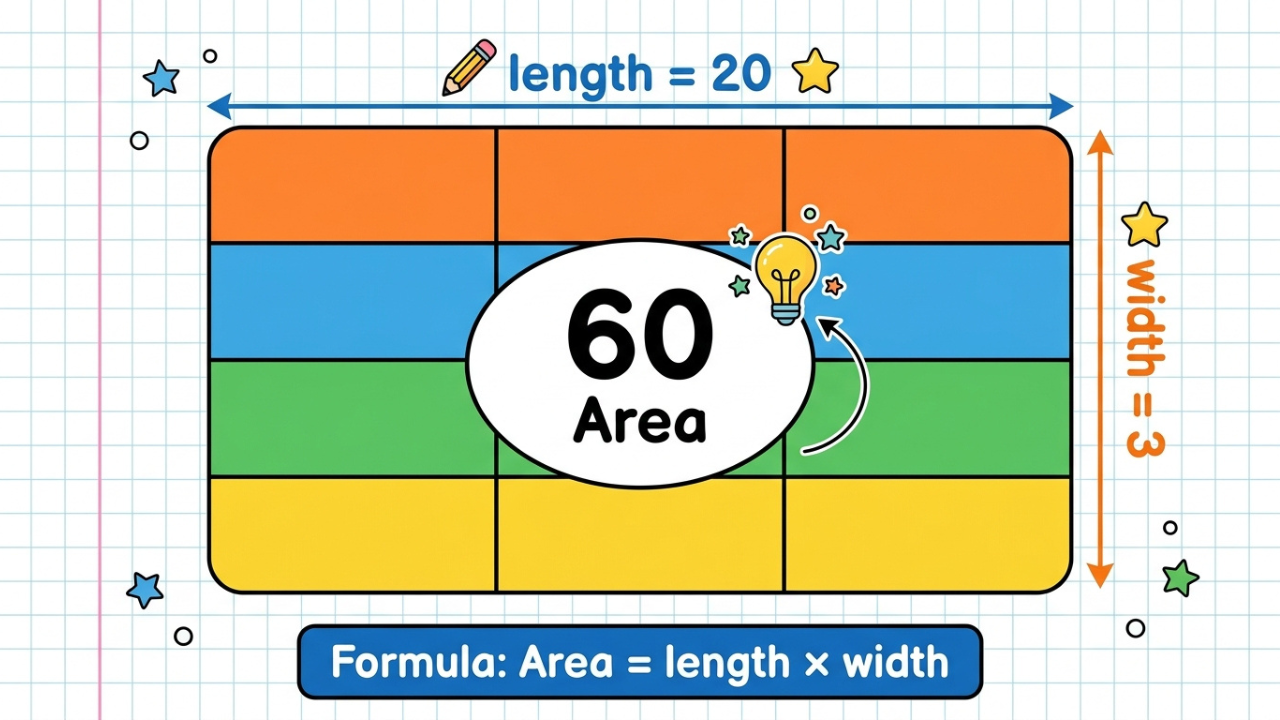
Math can sometimes feel like a foreign language, filled with numbers and symbols that seem to dance just out of reach. But what if there was a way to simplify it all? Enter the area model—a visual tool that breaks down complex concepts into manageable pieces. Whether you’re tackling multiplication, division, or even fractions, understanding area models can unlock new levels of math skills for students and learners alike. Let’s dive into the world of area models and discover how they can make math not only easier but also more enjoyable!
Understanding Area Models in Math
Area models are visual representations that help illustrate mathematical concepts, particularly in multiplication and division. By using rectangles to represent numbers, students can see the relationship between factors and products more clearly. This method transforms abstract math into something tangible.
In an area model, each dimension of a rectangle corresponds to a number being multiplied or divided. The total area of the rectangle gives the product or quotient, making it easier to understand how these operations work together in real life.
Benefits of Utilizing Area Models
Utilizing area models offers clear visual representation, making complex concepts easier to grasp. Students can see how numbers interact spatially, which enhances their understanding of multiplication and division.
These models also promote critical thinking skills by encouraging learners to break down problems into manageable parts. As they manipulate these areas, students build a strong foundation in math that extends beyond the classroom. This hands-on approach makes learning enjoyable and fosters confidence in their abilities.
Types of Area Models: Multiplication and Division
Area models can simplify multiplication by visually breaking down numbers into manageable parts. For instance, when multiplying 23 by 15, you can split them into tens and ones.Whats an Area Model Create rectangles for each segment: a large rectangle representing 20 times 10, another for 3 times 10, and so forth. This helps students see how the pieces fit together.
Division area models work similarly but focus on partitioning a whole into equal sections. By drawing larger rectangles and dividing them appropriately, learners grasp division as sharing rather than just subtracting repeatedly.
Exploring Area Models for Fractions
Area models serve as a powerful visual aid for understanding fractions. They allow students to see how parts of a whole relate to one another, making abstract concepts more tangible. By dividing rectangles into sections, learners can easily grasp addition and subtraction of fractions.
Moreover, area models help with multiplication and division involving fractions.Whats an Area Model Students can visualize how much of a whole is shaded or left unshaded. This clarity fosters deeper comprehension and strengthens their ability to work with fractional values confidently.
Implementing Area Models in Math Education
Implementing area models in math education transforms abstract concepts into tangible learning experiences. Teachers can introduce these models through hands-on activities, allowing students to visualize multiplication and division. This approach fosters deeper understanding and retention.
Incorporating technology can enhance this learning process further. Interactive apps and online resources provide dynamic ways for students to engage with area models. By blending traditional methods with innovative tools, educators create a rich environment where students thrive in their mathematical journey.
Common Mistakes and How to Correct Them
One common mistake with area models is mislabeling dimensions. Students might confuse length and width, leading to incorrect calculations. Emphasizing the importance of labeling each section clearly can help avoid this pitfall.
Another frequent error occurs when students fail to break down larger numbers properly. They may overlook partial products, which are crucial for accurate multiplication. Teaching them how to decompose numbers into manageable parts can enhance their understanding and confidence in using area models effectively.
Tips for Parents and Teachers
Encourage curiosity by incorporating area models into everyday discussions. When cooking or measuring, ask children to visualize the space as an area model. This practical application helps solidify their understanding.
Provide a variety of resources, such as online games and worksheets focused on area models. Interactive tools can make learning engaging and fun. Regular practice will enhance their skills, making math feel less daunting. Remember to celebrate small successes; positive reinforcement fosters confidence in young learners.
Enhancing Math Skills with Area Models
Area models offer a visual framework that simplifies complex math concepts. Whats an Area Model By breaking numbers into manageable sections, students can grasp multiplication and division more intuitively. This method transforms abstract ideas into tangible shapes, making learning engaging.
Using area models encourages critical thinking skills as learners analyze how different components fit together. As they work through problems visually, retention improves and confidence builds. Embracing this approach promotes a deeper understanding of mathematical principles in a fun and interactive way.
Practical Applications of Area Models
Area models have real-world applications beyond classroom walls. They can simplify complex problems like calculating areas of irregular shapes or visualizing multiplication and division in everyday scenarios, such as splitting a bill among friends.
In construction and design, area models help estimate material needs for flooring or tiling. They make it easier to understand spatial relationships and dimensions, providing a solid foundation for practical problem solving in various fields. Embracing these models enhances analytical skills across disciplines.
Area Models: A Path to Strong Math Foundations
Area models serve as a visual tool that simplifies complex mathematical concepts. By representing multiplication and division in a tangible way, learners can grasp these operations more intuitively. This method builds confidence and encourages exploration of numbers.
As students engage with area models, they develop critical thinking skills essential for advanced math. The concrete representation fosters deeper understanding, allowing young mathematicians to tackle problems with ease. Strong foundations set the stage for success in future math endeavors and real-world applications.
Resources for Further Practice and Learning
For those looking to deepen their understanding of area models, a variety of resources are available. Websites like Khan Academy and IXL offer interactive lessons that cater to different learning styles. These platforms provide exercises and quizzes to reinforce concepts.
Books such as “Teaching Student-Centered Mathematics” by John Van de Walle introduce effective strategies for using area models in the classroom. Additionally, YouTube channels focused on math education can visually demonstrate these techniques for easier comprehension.
Engage with Math through Area Models
Engaging with math through area models can transform the learning experience for students. These visual representations simplify complex concepts, making them more accessible and enjoyable. By drawing rectangles to represent numbers, learners can better grasp multiplication and division.
Interactive activities using area models encourage collaboration and problem-solving. Whats an Area Model Students can work together to create their own models, fostering a deeper understanding of mathematical relationships. This hands-on approach not only enhances comprehension but also ignites curiosity about math in everyday life.
FAQs
Area models can spark curiosity, especially for students just starting to explore math. One common question is, “What is an area model example?” Typically, it involves a rectangle divided into smaller sections to represent multiplication or division problems visually.
Another popular inquiry revolves around drawing these models. Students often wonder about the best techniques and steps to create accurate representations. Engaging with practical examples helps solidify their understanding and unlocks the power of area models in everyday math.
What is an area model example?
An area model example can be illustrated through multiplication. Whats an Area Model For instance, to calculate 6 times 4, you can create a rectangle divided into sections. One side of the rectangle would represent 6 units, while the other represents 4 units.
By breaking this down further, you can visualize it as two smaller rectangles: one measuring 6 by 2 and another measuring 6 by 2 again. This not only shows how the areas add up but also makes understanding multiplication more intuitive for learners of all ages.
How do you draw an area model?
To draw an area model, start by sketch a rectangle. Divide this rectangle into smaller sections based on the numbers you want to multiply or divide. For example, if you’re working with 3 and 4, split the rectangle into three rows and four columns.
Label each section accordingly. Once your sections are in place, fill them in with products or values that represent the multiplication or division at hand. This visual representation helps solidify understanding of mathematical concepts by breaking them down into manageable parts.
What is the 7 * 11 * 13 trick?
The 7 * 11 * 13 trick is a clever method to quickly calculate the product of three numbers: 7, 11, and 13. When multiplied together, these numbers equal 1001.Whats an Area Model This trick works because any three-digit number can be expressed as a combination of these factors.
To use this technique effectively, simply remember that multiplying by these specific numbers gives you an easy way to handle larger calculations. You can apply it in various math scenarios or even during mental math challenges for quick results.
How do you explain area models to kids?
Explaining area models to kids can be a fun and interactive experience. Start by visualizing the concept. Use simple shapes like rectangles or squares, as they are easy for children to understand. Take a real-world example—like dividing a pizza into slices—to show how multiplication and division work using area.
Encourage hands-on activities, such as drawing grids on paper where kids can color sections to represent different numbers being multiplied. By associating numbers with physical space, kids can better grasp the idea of products and quotients visually.
Keep it engaging by incorporating games or puzzles that utilize area models. The more relatable you make it, the easier they’ll find understanding these essential math concepts. Remember to celebrate their progress along the way!