 By DSP Staff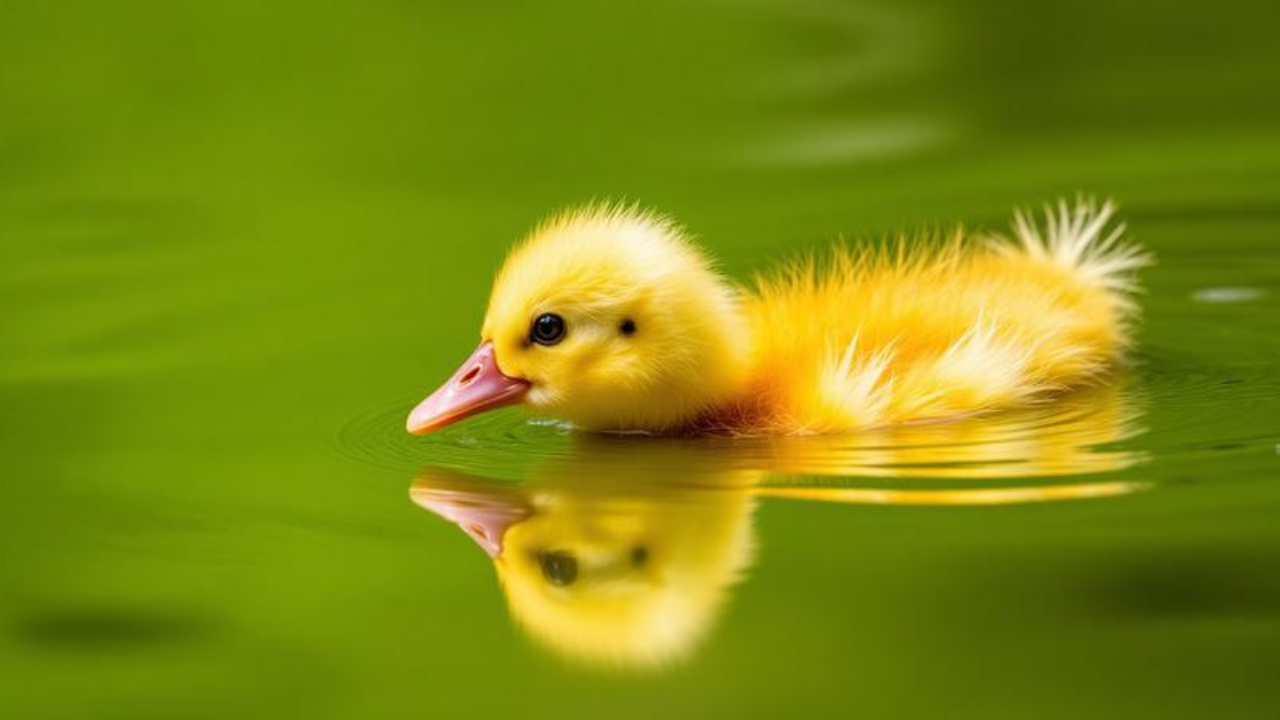
Introduction
Have you ever watched a fluffy duckling tail wiggle as it paddles across a pond and wondered what’s really going on back there? That tiny bundle of feathers serves a bigger purpose than you might think. A duckling tail isn’t just adorable—it’s a vital tool for swimming, steering, communication, and even identifying whether your duck is a male or female.
In this guide, you’ll learn exactly what a duckling tail is, how it develops, why it matters, and everything you need to know about one of the most fascinating duck species—the long-tailed duck. We’ll cover baby duckling tail development, long-tailed duck male vs female differences, where these birds are found, and much more. Whether you’re a backyard duck keeper, a birdwatcher, or simply curious, this article has you covered.
Table of Contents
-
What Is a Duckling Tail?
-
Why Does the Duckling Tail Matter?
-
Duckling Tail: Key Facts & Types
-
How To Identify and Care for a Duckling Tail
-
Common Mistakes & Myths To Avoid
-
Expert Tips for Best Results
-
Frequently Asked Questions
What Is a Duckling Tail?
A duckling tail is the set of feathers located at the rear end of a young duck. Like all birds, ducks have tail feathers called rectrices. These stiff feathers are attached to the tailbone and serve multiple essential functions.
Think of a duckling tail like the rudder on a boat. Just as a rudder helps steer a ship through water, a duck’s tail helps it maneuver while swimming and flying. The tail feathers can be spread out to act as a brake when the duck is landing, and they help with steering during flight.
In baby duckling tail development, feathers don’t appear immediately. Ducklings are born covered in soft down—not the stiff feathers you see on adult ducks. By the end of their second week of life, however, tail feathers begin to emerge. These initial feathers are small and wispy, but they gradually grow into the functional tail feathers that adult ducks rely on.
Male ducks (called drakes) typically develop a distinctive curled feather at the base of their tail, known as a drake feather or sex feather. Females lack this curl in most breeds, which makes the duckling tail a useful tool for sex identification. However, this curl doesn’t appear until the duck is around 10–12 weeks old.
Why Does the Duckling Tail Matter?
The duckling tail is far more than a cute accessory. Here’s why it matters:
-
Steering and maneuverability — The tail feathers act as a rudder, helping ducks turn quickly in water and adjust their flight path mid-air.
-
Braking during landing — Ducks spread their tail feathers to slow down when touching down on water or land.
-
Communication — Ducks wag their tails to express happiness, excitement, and contentment. Female ducks often wiggle their tails as a form of communication within the flock.
-
Gender identification — The presence of a curled tail feather is one of the easiest ways to tell a male from a female.
-
Courtship and mating displays — Male ducks use their tail feathers during courtship rituals to attract females.
-
Species identification — Certain species, like the long-tailed duck, have extremely distinctive tails that make them instantly recognizable.
According to Partners in Flight, the global long-tailed duck population is estimated at over 3 million. This species relies heavily on its iconic tail for survival and reproduction.
Duckling Tail: Key Facts & Types
Basic Duck Tail Anatomy
All ducks have tails made of rectrices—stiff feathers that provide stability and control. These feathers are arranged in a horizontal row and are attached to the tailbone. The central pair of feathers are attached directly to the bones, while the others are embedded in muscular structures called rectricial bulbs.
The Drake Feather (Male Curl)
Male ducks—except for Muscovy ducks—develop a distinctive curled feather at the base of the tail. This is called a drake feather or sex feather. It typically appears when the duck is 10–12 weeks old and serves as a reliable gender marker.
The Long-Tailed Duck (Clangula hyemalis)
The long-tailed duck is one of the most remarkable duck species in the world. Here’s what makes it special:
| Feature | Male | Female |
|---|---|---|
| Tail length | 10–15 cm (3.9–5.9 in) long | Short, “duck-like” tail |
| Body length | 40–47 cm (15.8–18.5 in) | 38–43 cm (15–16.9 in) |
| Weight | 650–1100 g (22.9–38.8 oz) | 500–950 g (17.6–33.5 oz) |
| Plumage | Three distinct molts per year | Three distinct molts per year |
| Identification | Long black central tail feathers | Lacks long tail; brown with white face |
Male long-tailed ducks are easily recognized by their long, slender black tail feathers. Females have a much shorter tail and are mostly deep brown or blackish with a white face.
Juvenile long-tailed ducks resemble adult females in autumn plumage. Immature males lack the long tail and white back feathers but have a yellow-orange tip on their bill like adult males. The long-tailed duck non-breeding plumage varies significantly, with males appearing mostly white with dark markings.
H3: Where Are Long-Tailed Ducks Found?
Long-tailed ducks have a circumpolar distribution. They breed in tundra and taiga regions of North America, Europe, and Asia. In winter, they migrate to cold and temperate seas and coasts. In North America, they winter along the north Pacific and north Atlantic coasts and on the Great Lakes. They can dive up to 60 meters (200 feet) deep—deeper than any other duck.
How To Identify and Care for a Duckling Tail
Whether you’re observing wild ducks or raising your own, here’s how to identify and care for a duckling tail:
Step 1: Observe the age of the duckling. Baby duckling tail feathers don’t appear immediately. In the first week, you’ll only see soft down. Tail feathers typically start emerging around day 10 to 14.
Step 2: Look for the tail curl. If you’re trying to determine gender, check for a curled feather at the base of the tail. Male ducks develop this curl at about 10–12 weeks of age. Females have straight tail feathers.
Step 3: Check for species-specific traits. If you’re observing a long-tailed duck, look for the male’s long, slender black tail feathers. Females lack this feature entirely.
Step 4: Monitor feather health. Healthy tail feathers should be smooth, intact, and free from damage. Poor nutrition or stress can affect feather quality. Ensure your ducks have access to a balanced diet with adequate protein.
Step 5: Provide proper living conditions. Ducks need clean water for swimming and preening. Preening helps maintain feather health and waterproofing. A duckling tail that’s constantly dirty or wet may indicate health issues.
Step 6: Watch for molting patterns. Ducks molt their feathers annually. The long-tailed duck is unique in having three molts per year. During molting, you may notice feathers falling out and new ones growing in.
Common Mistakes & Myths to Avoid
Myth: All ducklings have curled tails.
Truth: Only male ducks develop curled tail feathers (drake feathers). Female ducks have straight tail feathers. This curl typically appears at 10–12 weeks.
Myth: A duckling without a tail is abnormal.
Truth: Baby duckling tail feathers don’t appear immediately. Ducklings are born with soft down, and tail feathers start emerging around day 10–14. If your duckling is younger than two weeks, it’s perfectly normal to see no tail feathers.
Myth: Female ducks never have curled tails.
Truth: While rare, older female ducks—particularly those no longer laying eggs—can sometimes develop a curled tail due to hormone imbalances.
Myth: All ducks with long tails are the same species.
Truth: The long-tailed duck (Clangula hyemalis) is a specific species with distinctive features. Other ducks, like the Northern Pintail, also have long tails but are entirely different species.
Myth: Tail wagging always means a duck is happy.
Truth: While tail wagging often indicates happiness, it can also signal excitement, stress, or communication with other ducks. Context matters—observe the duck’s overall behavior.
Expert Tips for Best Results
Tip 1: Observe tail development weekly. Document changes in your duckling tail to track healthy growth and identify potential issues early.
Tip 2: Provide high-protein feed during the feather-growth phase. Feathers are made of keratin (protein), so adequate nutrition supports strong, healthy tail feathers.
Tip 3: Ensure access to clean water daily. Ducks need water for preening, which distributes oils that keep feathers waterproof and healthy.
Tip 4: Learn to identify species by tail shape. The long-tailed duck male’s 10–15 cm tail is unmistakable. Practice identifying ducks by their tail characteristics.
Tip 5: Respect wild ducks’ space. Observing long-tailed ducks in their natural habitat is rewarding, but maintain a safe distance—especially during breeding season when they’re most vulnerable.
Frequently Asked Questions
Does a duckling have a tail?
Yes, all ducklings have tails, but baby duckling tail feathers don’t appear immediately. Ducklings are born with soft down, and tail feathers start emerging around day 10–14 of life. By two weeks of age, you’ll typically see small tail feathers developing.
What is a duck’s tail called?
A duck’s tail is made up of stiff feathers called rectrices. In male ducks, the curled feather at the base of the tail is called a drake feather or sex feather. These feathers serve essential functions like steering, braking during landing, and communication.
Why do female ducks wiggle their tails?
Female ducks wiggle their tails for several reasons. Most commonly, it’s a sign of happiness and excitement. Tail wagging can also occur during preening, after bathing, or as a form of communication with other ducks. In some cases, it may signal stress or excitement.
Conclusion
The duckling tail is much more than a cute feature—it’s a vital tool for survival, communication, and identification. From the basic rectrices that help ducks steer and brake, to the iconic long-tailed duck with its 10–15 cm tail feathers, every duck’s tail tells a story.
Three key takeaways: First, baby duckling tail feathers develop around day 10–14 and are essential for swimming and flying. Second, male ducks develop curled tail feathers (drake feathers) at 10–12 weeks—a reliable gender marker. Third, the long-tailed duck is a remarkable species with three annual molts, a circumpolar distribution, and the ability to dive 60 meters deep.
Start observing duck tails today—whether in your backyard or out in nature. Notice the differences between males and females, young and old, and different species. What’s the most interesting duckling tail you’ve ever seen?